



The Department of Cooperations under the Ministry of trade and Business Industry urges Basotho to embrace the cooperative model as a pathway to job creation , economic empowerment, poverty reduction, and inclusive growth.
This was said in a three-day media workshop in Molengoane, Maseru, aimed at strengthening understanding of the cooperative movement and enhancing accurate reporting in the sector.
The workshop highlighted the significant role cooperatives play in advancing the National Strategic Development Goals and underscored the importance of the media in shaping public awareness through timely and impactful information in forming cooperatives.
Cooperatives in Lesotho operate in two main categories—financial and non-financial—but share a common foundation: collective action.
A cooperative is defined as a group of individuals voluntarily working together towards a shared economic or social goal.
Members are free to join and exit as they wish, and all enjoy equal voting rights under the “one member, one vote” principle, which prevents dominance by any individual and ensures balanced decision-making.
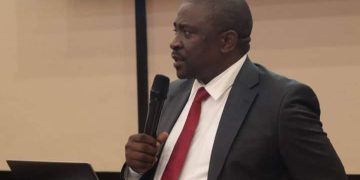
Speaking at the workshop, Mrs. ‘Mabosiu Seloanyane emphasised cooperatives as a key economic driver in Lesotho. She described them as practical tools for poverty reduction and catalysts for broad-based economic growth.
Seloanyane said that when people pull resources, skills, and efforts, they create sustainable institutions that benefit both individuals and communities.
Echoing this, Mrs. ‘Maboitumelo Lethunya explained that cooperatives can be formed in almost any sector, provided there is a business element involved.
She noted that the Cooperative Act of 2000 requires a minimum of ten members to register a cooperative.
Individuals may join as aspiring entrepreneurs or as existing business owners seeking to expand through collective effort. Saying “When money circulates within members of a cooperative, each member grows,”.
Lethunya also outlined the governance and support systems that regulate cooperatives in Lesotho. These include annual inspections, audits, free educational programmes, and access to expertise in relevant fields. Extension cooperative officers are deployed in every district to provide continuous support, while a conflict resolution commission handles internal disputes.
Despite these structures, Lethunya acknowledged that cooperatives continue to face challenges such as governance lapses, poor management practices, non-compliance with regulations, and limited access to markets.
Additionally, some members fail to exercise their rights and responsibilities, weakening the effectiveness of their cooperatives.
The ministry’s ongoing efforts reflect its commitment to transparency, economic empowerment, and sustainable development—recognizing cooperatives as a vital engine for inclusive economic growth in Lesotho.
